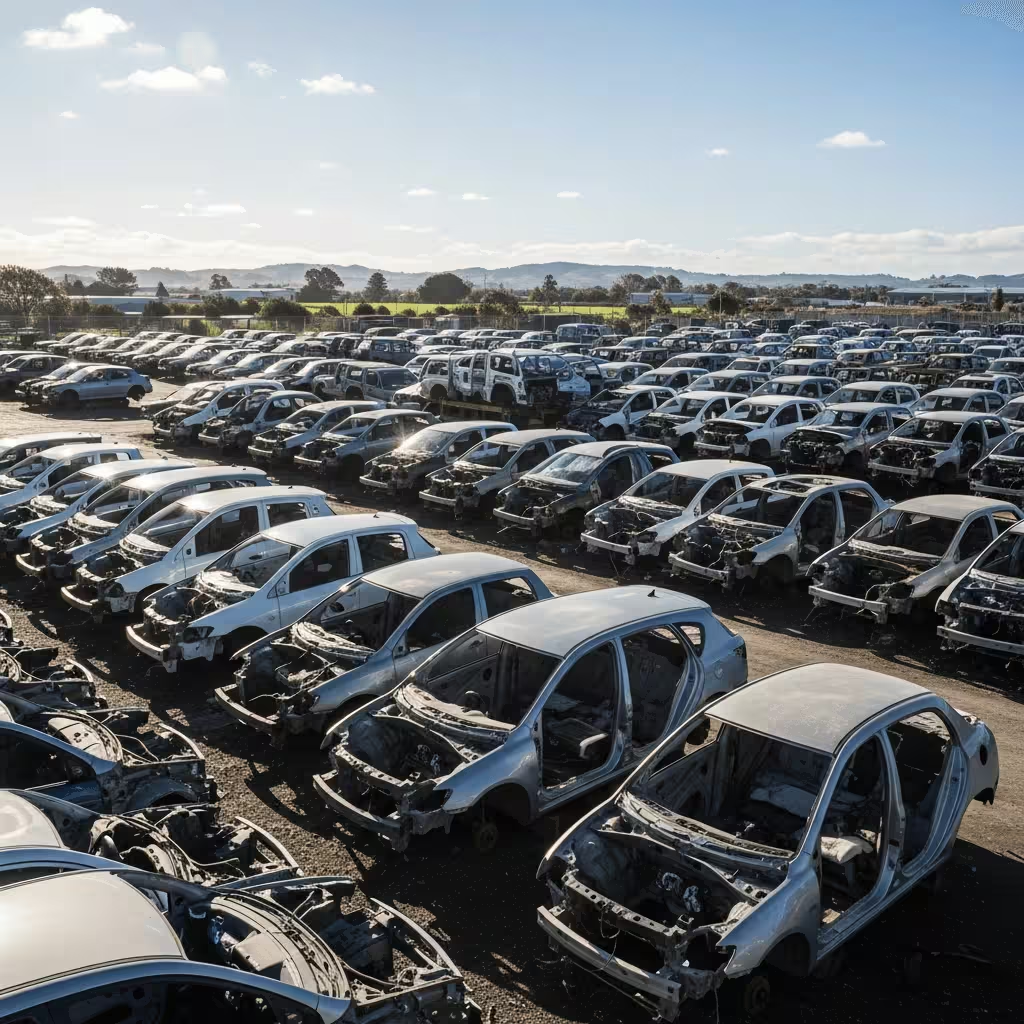


After removal, scrap cars in Tauranga are directed to local dismantlers who recycle parts and materials, with remaining shells processed for metal recycling. Hazardous fluids are safely managed, ensuring environmental compliance.
- Introduction
- Section 2: Exploring the Auto Dismantling Process
- Transitioning from Dismantling to Recycling
- Why Choose A1 Cash For Cars Tauranga for Scrap Car Recycling
- Frequently Asked Questions
- What happens to scrap cars after removal?
- How are scrap cars recycled in Tauranga?
- Are all parts of a scrap car reusable?
- What is the role of auto dismantlers in the recycling process?
- How does the recycling of scrap cars benefit the environment?
- Why is de-pollution important in scrap car processing?
- What happens to the metal from scrapped cars?
- Can individuals purchase parts from dismantled cars?
In the vibrant cityscape of Tauranga, an often-asked question by car owners before bidding farewell to their old vehicles is: “Where do scrap cars go after removal in Tauranga?” This query is not just about logistics but also involves understanding a comprehensive recycling process that benefits both the environment and the economy. When vehicles reach the end of their lives, as many inevitably do, they embark on a journey that aims to repurpose and recycle as much of their material content as possible.
The Role of Local Dismantlers
A significant portion of scrap cars removed in Tauranga find their way to local auto dismantlers. Businesses like A1 Cash For Cars Tauranga play a crucial role in this phase by meticulously deconstructing vehicles. Usable parts such as engines, transmissions, and electronics are salvaged for resale, entering the thriving used auto parts market. This not only extends the lifespan of functional components but also provides an affordable alternative for car repairs, which is particularly beneficial in regions like Tauranga where the demand for sustainable solutions is growing.
Metal Recycling and Hazardous Material Disposal
Once the usable parts have been stripped, the remaining car shells don’t go to waste. Instead, they are processed for metal recycling. The recycling of metals such as steel and aluminium is a fundamental aspect of the scrap car lifecycle, significantly reducing the energy requirements and carbon footprint associated with producing new materials. Additionally, environmental stewardship is maintained through the careful management of hazardous fluids and materials. De-pollution systems are employed to extract substances like oil, coolant, and brake fluid, ensuring they are disposed of in accordance with strict environmental regulations. This step not only safeguards the local ecology but also aligns with global sustainability efforts.
Economic and Environmental Benefits
The recycling of scrap cars positively impacts both the local economy and environmental health. By facilitating the flow of recycled materials back into the manufacturing industry, it supports local jobs in dismantling and recycling operations. Furthermore, reusing car parts reduces the environmental strain associated with the production of new components. Such practices are vital in promoting eco-friendly business operations and contribute to a circular economy—a model that is increasingly gaining traction worldwide.
Section 2: Exploring the Auto Dismantling Process
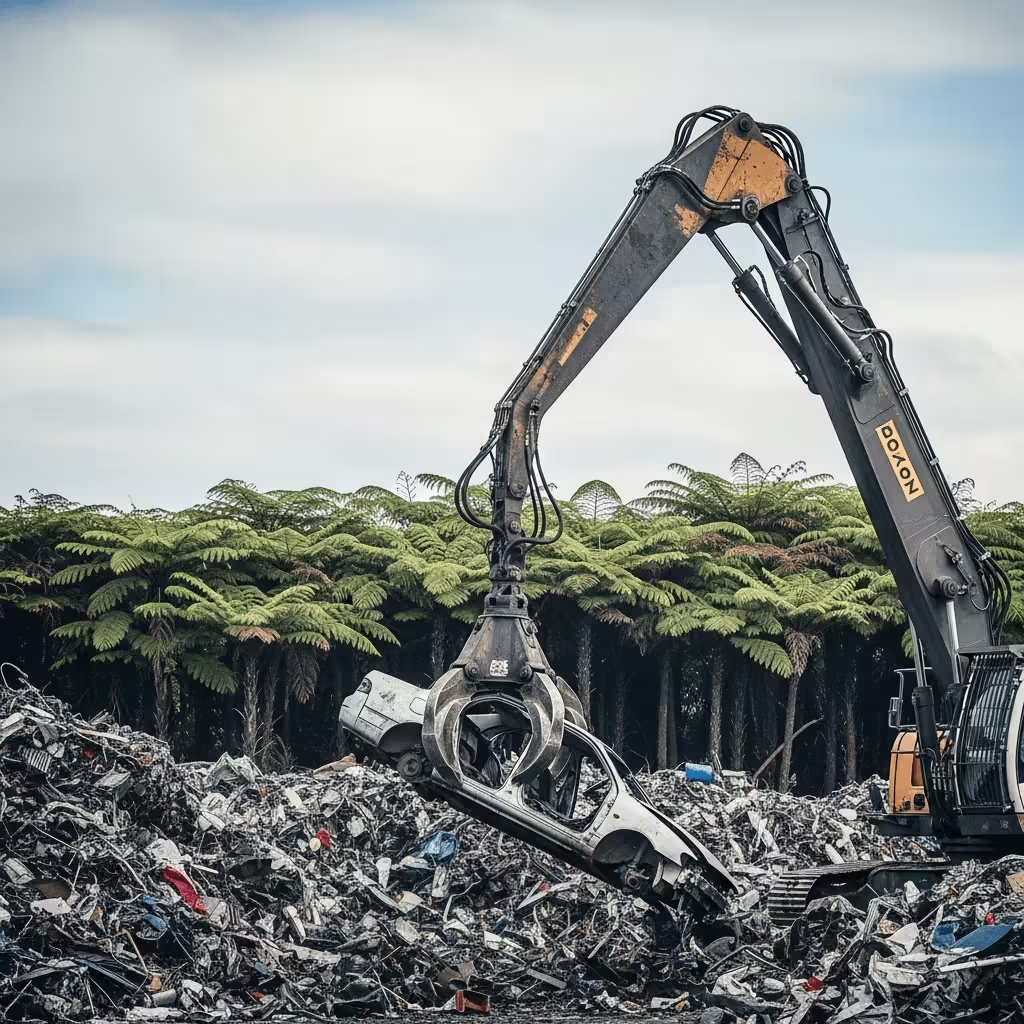
The dismantling of scrap cars in Tauranga plays a pivotal role in maximising the value extracted from vehicles at the end of their life cycle. This process involves carefully deconstructing cars to salvage parts that can be reused, resold, or recycled, ultimately reducing waste and contributing to a sustainable environment.
The Importance of Dismantling Efficiently
In the realm of scrap car removal, efficient dismantling is crucial. It not only enhances the economic benefits for operators like A1 Cash For Cars Tauranga but also ensures that fewer resources are spent on producing new components. By recovering parts such as engines, transmissions, and even interior elements, dismantlers help minimise the environmental footprint. This meticulous process ensures that components are sorted and categorised meticulously, which is essential for maintaining a steady supply of second-hand parts to the market, thereby supporting Tauranga’s automotive ecosystem.
Dismantling Techniques and Tools
Advanced techniques and tools have transformed how dismantling is conducted, allowing greater precision and efficiency. In Tauranga, dismantlers may use specialised wrenches, cutting torches, and hydraulic lifts to facilitate the careful removal of parts from scrap cars. This technology not only improves safety for workers but also increases the rate at which dismantlers can process vehicles. Furthermore, software systems are employed to inventory parts accurately, ensuring swift retrieval and resale, which is critical for meeting consumer demand in Tauranga.
Safety and Environmental Considerations
Operating within stringent safety and environmental regulations is paramount for dismantlers in Tauranga. Ensuring that hazardous materials like oils, coolants, and batteries are disposed of correctly is essential to protect both the environment and public health. Moreover, dismantlers must adhere to health and safety guidelines to prevent workplace injuries. By implementing these practices, companies contribute to a cleaner, safer, and more sustainable automotive industry.
Transitioning from Dismantling to Recycling
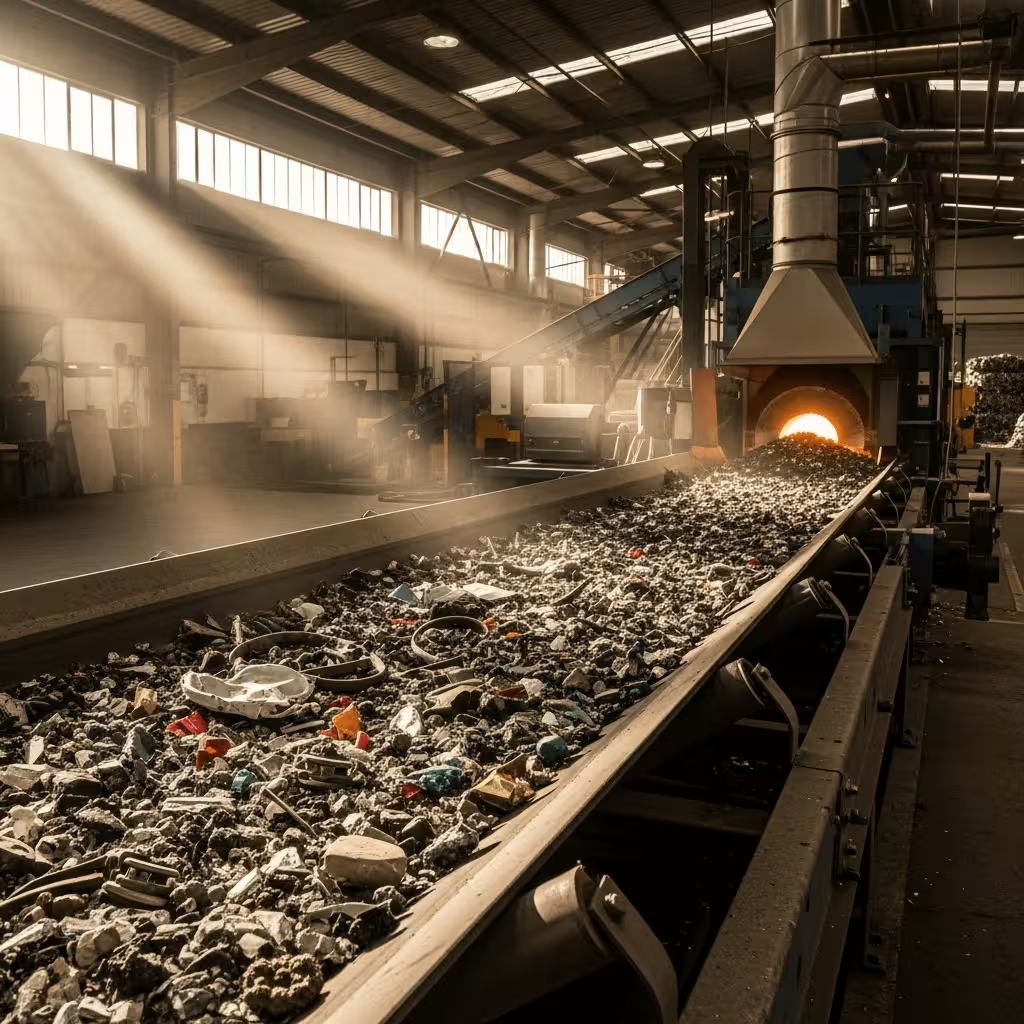
The transition from dismantling to recycling is a critical phase in the lifecycle of scrap cars in Tauranga. After a vehicle has been carefully stripped of its reusable parts, the remaining materials, predominantly metal, undergo further processing to prepare them for recycling. This step is not only about reclaiming raw materials but also about transforming waste into new resources, thus closing the loop of automotive material use.
Preparation for Metal Recycling
Once dismantling is complete, the car frames, now primarily composed of ferrous metals like steel and non-ferrous metals such as aluminium, are compressed into compact units. This compaction facilitates easier transportation to recycling facilities. Here, advanced techniques and powerful equipment, such as shredders and separators, are employed to break down these units into smaller, manageable pieces. This preparatory process is crucial as it separates different metal types, ensuring that each can be recycled appropriately, thereby maximising the efficiency of the recycling system.
Environmental Benefits and Sustainability
The recycling of scrap vehicle materials brings extensive environmental benefits. By processing these metals into reusable resources, the need for virgin metal extraction—which often involves energy-intensive mining and refining processes—is significantly reduced. This not only conserves natural resources but also cuts down on greenhouse gas emissions, contributing to a more sustainable automotive industry. In Tauranga, local recycling facilities continuously improve their techniques to enhance sustainability and reduce their carbon footprint, aligning with global environmental goals.
Innovation and Technology in Recycling
The recycling industry in Tauranga is at the forefront of adopting new technologies to improve efficiency and output. Modern recycling plants utilise sophisticated machinery and computerised systems to sort and process materials, ensuring minimal waste and maximum value recovery. Innovations such as Eddy Current Separators are pivotal in isolating different material types, while advanced surveillance systems help in monitoring the entire recycling process for quality control and safety. These technological advancements ensure that Tauranga remains a leader in sustainable scrap car recycling, setting benchmarks for others in the industry.
Transitioning efficiently from dismantling to advanced recycling not only supports environmental sustainability but also strengthens the local economy by reclaiming valuable materials. In the next section, we will explore why A1 Cash For Cars Tauranga is a preferred choice for those looking to responsibly recycle their scrap cars, emphasizing their expertise and commitment to eco-friendly practices.
Why Choose A1 Cash For Cars Tauranga for Scrap Car Recycling
When it comes to scrap car recycling, A1 Cash For Cars Tauranga stands out as a premier choice. Located strategically in Tauranga, New Zealand, our business offers unparalleled expertise in the cash for junk cars industry. But what truly sets us apart and positions us as the top choice for those wondering where scrap cars go after removal in Tauranga? Let’s delve into the unique qualities and local expertise that A1 Cash For Cars Tauranga brings to the table.
Experienced Local Experts
Based in Tauranga, our team is made up of seasoned professionals who understand every nuance of the local market. Our cash for cars in Tauranga services are designed to ensure efficiency at every step, from the moment a client reaches out for a valuation, to the final stages of car dismantling and recycling. Our local presence means we can offer faster response times, thorough evaluations, and higher payouts than non-local competitors.Our Scrap My Car Tauranga service further illustrates our dedication to streamlining the car recycling process, ensuring maximum customer satisfaction.
What Sets Us Apart
Our reputation for reliable service and professional conduct has been carefully built over the years. A1 Cash For Cars Tauranga has cemented itself as a trustworthy partner by ensuring a transparent process that keeps clients informed at every stage, ensuring they receive fair market value for their scrap vehicles. We also place a strong emphasis on remaining environmentally conscious; each car is dismantled and recycled in compliance with the highest environmental standards, minimising our ecological footprint.
As you consider your options for scrap car recycling, remember the advantages of choosing A1 Cash For Cars Tauranga.
In the next section, we’ll address some frequently asked questions about the process to further clarify any remaining queries you might have.
Frequently Asked Questions
What happens to scrap cars after removal?
Once scrap cars are removed, they are typically sent to auto dismantlers where any usable parts are salvaged. The remaining parts of the car are then prepared for recycling, which involves the separation of metals and other materials. Hazardous fluids are safely disposed of using specialized de-pollution systems.
How are scrap cars recycled in Tauranga?
In Tauranga, scrap cars undergo dismantling where parts like engines, transmissions, and batteries are recovered for reuse. The car shells are then crushed and recycled as scrap metal, contributing to the metal industry while minimizing environmental impact.
Are all parts of a scrap car reusable?
While not all parts of a scrap car are reusable, many components can be salvaged and reused. Commonly salvaged parts include alternators, starters, wheels, and mirrors. Non-reusable parts are processed and recycled in an environmentally-friendly manner.
What is the role of auto dismantlers in the recycling process?
Auto dismantlers play a crucial role in the recycling process by efficiently removing and sorting the reusable parts from the scrap cars. They ensure that parts are salvaged and prepared for resale, reducing waste and supporting the circular economy.
How does the recycling of scrap cars benefit the environment?
Recycling scrap cars significantly benefits the environment by reducing landfill waste, saving energy, and conserving natural resources. Metal recycling reduces the necessity for mining new metal ores, and careful handling of toxins prevents pollution.
Why is de-pollution important in scrap car processing?
De-pollution is important because it involves the safe extraction and disposal of hazardous materials such as oils, coolants, and batteries, preventing these substances from contaminating soil and water sources.
What happens to the metal from scrapped cars?
The metal from scrapped cars is recycled and repurposed into new products. This metal is melted down and used in manufacturing new vehicles, construction materials, and various consumer products, supporting economic growth and sustainability.
Can individuals purchase parts from dismantled cars?
Yes, individuals can often purchase parts from dismantled cars through auto recyclers and dismantlers. This is a cost-effective way to obtain car parts and supports the recycling industry by keeping usable components in circulation.
Key Insights
Scrap cars removed in Tauranga are typically collected by certified removal companies offering instant cash and free pickup. After removal, these vehicles go through a regulated, eco-friendly dismantling process: usable parts are salvaged for resale, and the remaining materials such as metals, plastics, and fluids are recycled or disposed of in accordance with New Zealand’s environmental guidelines. This structured approach ensures that hazardous materials are managed responsibly, and the overall process supports sustainability while providing monetary benefits to car owners[1].
Industry trends in the past year show a focus on environmental responsibility, quick same-day removals, and transparent, cash-based transactions, driven by both consumer demand and stricter regulations around vehicle recycling and waste management[1][5].